
What Should You Expect During a Residential Painting Company’s Home Painting Process?
Transforming your house with a fresh coat of paint is one of the most effective ways to elevate its aesthetic appeal, improve indoor comfort, and protect structural surfaces from long-term environmental wear. However, welcoming a team of contractors into your living space can naturally raise questions regarding scheduling, safety, preparation, and overall execution. Knowing what happens at each stage of the project helps eliminate home anxiety, prevents costly miscommunications, and ensures that the final result aligns perfectly with your aesthetic vision. When you partner with an experienced residential painting company, you gain access to a structured workflow designed to deliver flawless finishes while respecting your home environment and daily routine.
Professional home painting is far more than simply dipping brushes into paint cans and applying color to drywall or exterior siding. It represents an end-to-end service standard built upon thorough surface diagnostics, meticulous site protection, systematic material selection, and rigorous quality control measures. Knowing what to expect during the residential painting process empowers you as a homeowner to prepare your property effectively, manage your household daily routines, and communicate confidently with your project supervisor throughout every milestone.
|
Project Stage |
Primary Objectives | Typical Duration | Homeowner Action Required |
| Consultation & Assessment | Detailed walkthrough, color planning, scope verification, clear pricing estimate | 1 to 2 Hours |
Share preferences, point out damaged areas, define project scope |
|
Site Preparation & Setup |
Moving furniture, placing drop cloths, masking trim, sealing fixtures | Half Day to 1 Day | Remove fragile personal items, clear small valuables and wall art |
| Surface Repair & Priming | Drywall patching, power washing, sanding, caulking, applying primer coats | 1 to 2 Days |
Ensure clear access to perimeter, keep pets in secure rooms |
|
Paint Application |
Multi-coat application using rollers, brushes, or specialized sprayers | 1 to 3 Days | Review daily progress updates with the on-site project lead |
| Cleanup & Walkthrough | Removing masking tape, vacuuming debris, conducting punch-list inspection | Half Day |
Perform final walkthrough with the contractor before sign-off |
What steps are involved in a professional residential painting project?
Choosing a top residential painting company ensures that your property receives high-level preparation and systematic execution from the initial walkthrough to the final cleanup. Understanding the sequential flow of a professional painting project provides clarity on how raw materials are transformed into durable, beautiful finishes. Professional painting services follow a structured methodology that prioritizes surface durability, clean execution, and transparent timeline management.
Step 1: Initial Property Inspection and Consultation
Every successful transformation starts long before the first can of paint is opened. The process begins with an in-depth consultation and site evaluation where project estimators evaluate wall conditions, measure exact surface areas, and discuss your design aspirations.
During this initial stage, specialists examine structural nuances such as settling cracks, surface moisture levels, wood rot, or peeling layers from previous jobs. This is also the ideal time to review color palettes, finish sheens, and specialty coatings tailored to high-traffic zones or moisture-prone areas like kitchens and bathrooms.
Step 2: Comprehensive On-Site Workspace Preparation
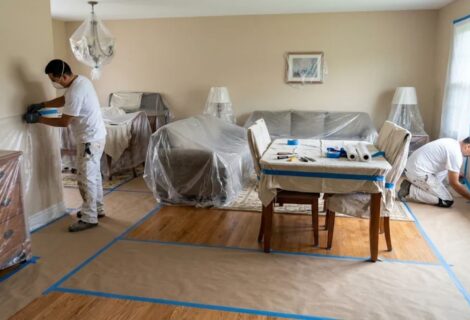
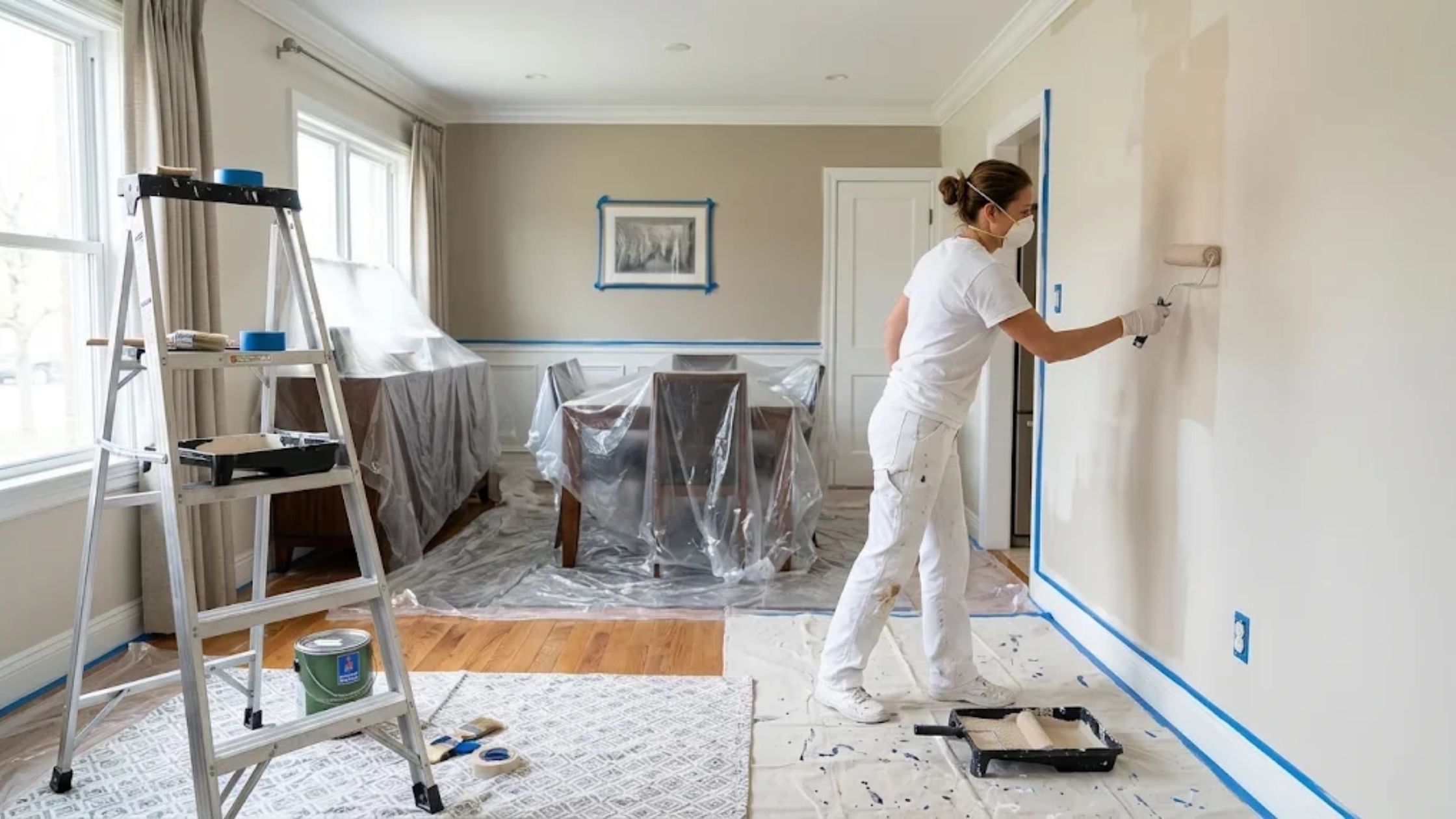
Once the scope of work is finalized and scheduled, the field team arrives to transform the work area into a safe, controlled workspace. Protecting your interior furniture, flooring, cabinetry, and exterior landscaping is the foundation of any reputable operation.
- Heavy canvas drop cloths and protective plastic sheeting are deployed to seal off floors, carpets, and large furniture items.
- Light switch plates, outlet covers, door hardware, and wall-mounted fixtures are systematically removed and stored safely.
- Premium masking tape and protective films are applied along baseboards, door frames, window sills, and adjoining surfaces to establish sharp paint lines.
- Exterior grounds are safeguarded by covering garden beds, shrubbery, air conditioning units, and stone walkways with breathable protective covers.
Step 3: Surface Repair, Sanding, and Priming
Applying premium paint over dirty, uneven, or damaged substrate yields poor adhesion and premature failure. Therefore, top residential painters dedicate a significant portion of their schedule to preparing surfaces to achieve optimal smooth conditions.
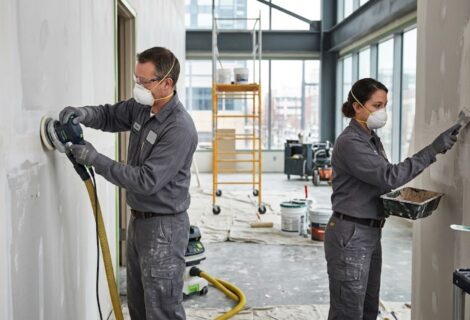
For interior surfaces, technicians perform meticulous spackling, joint compound patching, and drywall sanding to smooth out minor denting, nail holes, and stress cracks. On exterior facades, power washing removes built-up dirt, mildew, chalking, and loose paint flakes.
After sanding and smoothing, gaps around trim, window frames, and baseboards are sealed with flexible, paintable acrylic caulking. Finally, specialized primers are applied to seal porous drywall, stain spots, or raw wood, ensuring superior topcoat adhesion and uniform color intensity.
What makes professional house painting services different from DIY painting?
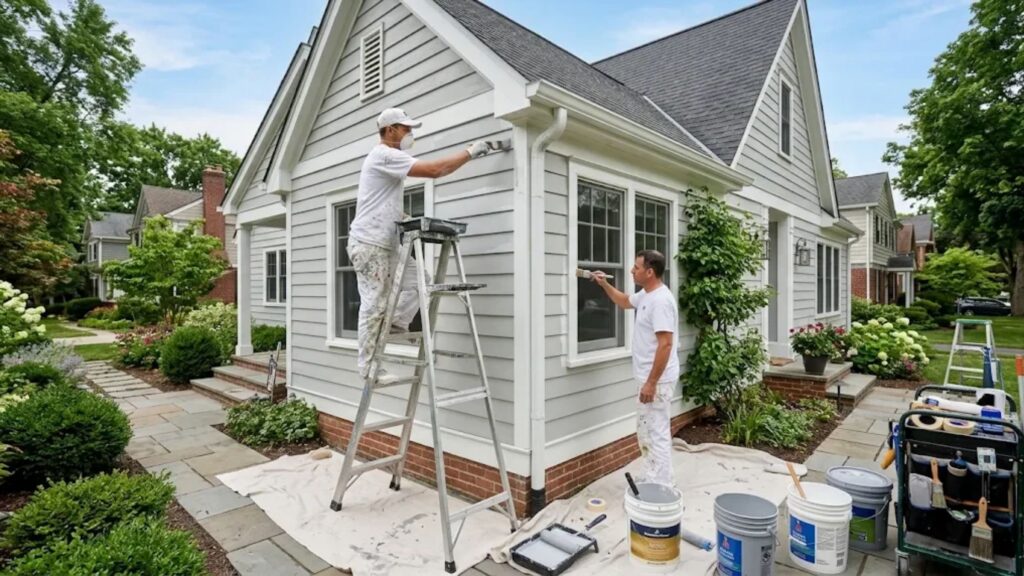
While tackling a painting project on your own might seem like a straightforward cost-saving project, the difference in efficiency, finish quality, and long-term durability between DIY efforts and professional house painting services is substantial. Professional teams bring specialized equipment, technical knowledge of substrate chemistry, and efficient project management strategies that eliminate common execution errors.
Advanced Material Expertise and Paint Chemistry Knowledge
Professional painting contractors understand the physical properties of modern architectural coatings. They recognize how latex, acrylic, oil-based, and elastomeric formulations behave under varying environmental conditions such as humidity, sunlight exposure, and temperature fluctuations.
Selecting the right paint sheen is equally critical for long-term wall maintenance. High-traffic hallways and children’s bedrooms require washable satin or soft-gloss finishes, whereas ceilings benefit from flat, light-diffusing formulas that conceal structural imperfections. Professionals ensure that every coating matches the functional demands of the space.
Industrial-Grade Tools and Application Techniques
Achieving seamless coverage without lap marks, brush strokes, or splatter requires high-end equipment operated by skilled craftspeople. Commercial airless sprayers, premium synthetic-bristle brushes, high-density microfiber roller covers, and staging scaffolding allow professionals to handle high ceilings and intricate exterior gables efficiently.
By maintaining steady application pressure and consistent wet-edge control, professional painters produce smooth surfaces that are virtually impossible to replicate with standard retail tray-and-roller kits. Skilled application protects your walls while enhancing overall visual uniformity across every room.
Enhanced Safety and Structural Protection
Painting higher exterior walls, stairwells, and vaulted ceilings carries inherent safety risks for untrained homeowners. Professional contractors are trained in ladder safety, fall protection systems, and proper ventilation protocols when handling solvent-based primers or specialty sealers.
Furthermore, licensed painting companies carry comprehensive general liability insurance and worker compensation coverage, protecting homeowners from personal financial liability in the event of accidental property damage or work-site injuries. Homeowners seeking a seamless home improvement experience often rely on the expertise offered by Wilder Painting to ensure their property receives top-tier care from start to finish.
How should homeowners complete home painting preparation before the crew arrives?
While the painting crew manages all structural prep work, homeowners can take a few proactive steps to ensure the job begins smoothly and stays on schedule. Performing basic home painting preparation protects your valuable belongings and grants technicians immediate, unimpeded access to work zones across your residence.
Clearing Work Zones and Securing Personal Belongings
Before the arrival of the crew, clear path areas and perimeter walls where painting will take place. Moving small objects helps painters focus directly on surface preparation and application without worrying about surrounding fragile items.
- Remove small decor items, family photographs, artwork, mirrors, and wall clocks from the rooms designated for painting.
- Clear off tabletops, dressers, countertops, and open shelving units to prevent dust buildup during sanding operations.
- Shift large furniture pieces toward the center of the room if possible, allowing at least three to four feet of working space along walls.
- Secure delicate collectibles, crystal, electronic devices, and valuable heirlooms in rooms outside the active project zone.
Managing Household Dynamics and Pet Safety
Painting operations involve open doors, continuous foot traffic, moving equipment, and occasional paint odors. Communicating schedule details with household members ensures a safe, stress-free environment during the execution phase.
Pets should be kept safely secured in non-work areas or boarded off-site during high-activity periods to prevent accidental escapes, exposure to wet paint, or ladder disruptions. Additionally, identifying clear parking access for contractor vans close to entryways speeds up equipment unloading and setup.
If you are curious about the professionals who will be managing your home project, reading about our about us team page provides great insights into their background, training, and customer-first values.
What happens during the actual paint application phase?
The paint application phase is where the structural visual transformation takes place. This phase relies on methodical, multi-coat application processes designed to ensure vibrant color rendering, clean edge control, and long-term durability against peeling, fading, or washing.
Systemic Coating Application and Drying Cycles
A standard professional finish requires at least two full coats of premium paint over a properly prepared and primed substrate. Each coat must be given adequate drying time based on ambient temperature, humidity levels, and manufacturer specifications before subsequent layers are applied.
Technicians use specific techniques tailored for different architectural surfaces:
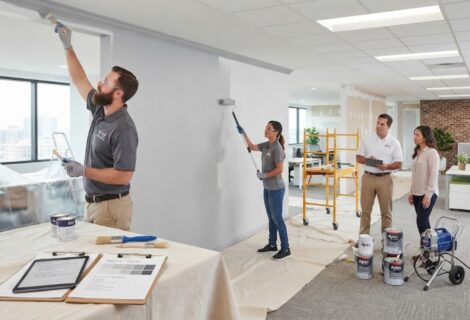
- Walls and Ceilings: Cut-in edges around ceilings, corners, and trim are painted first using precision angle sash brushes, followed by rolling the main expanses using wet-edge techniques to prevent visible seams.
- Doors and Cabinetry: Surfaces are often sprayed or hand-finished with smooth acrylic enamels to establish durable, factory-like surfaces that resist hand oils and repeated cleaning.
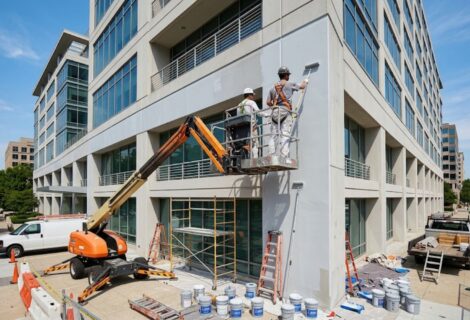
- Exterior Siding and Fascia: High-output spray application combined with back-rolling ensures paint penetrates deep into wood grain, textured stucco, or composite siding panels.
Daily Communication and Workspace Organization
Professional painters maintain clear daily organization to minimize disruption to your home life. At the end of each workday, painters collect tools, seal paint containers, clean brushes, and gather trash into designated storage areas.
A designated site lead or project manager provides quick daily status updates, discussing completed milestones, upcoming schedules, and drying expectations. This transparent communication keeps homeowners informed and confident throughout the project lifecycle.
How does the final inspection and cleanup process work?
A painting project is not considered complete when the final coat dries. The wrap-up phase involves comprehensive site cleanup, systematic detail touch-ups, and a formal walkthrough inspection to guarantee that every surface meets professional quality standards.
Thorough Site Cleanup and Restoring Your Home
After the paint has cured sufficiently, the crew restores your home to its original layout, leaving behind fresh, vibrant walls and clean spaces without leaving behind project debris.
|
Cleanup Checklist Item |
Professional Standard Executed |
| Protective Coverings |
Plastic drop cloths, canvas runners, and masking films are removed carefully without transferring wet paint. |
|
Hardware Reinstallation |
Switch covers, electrical outlet plates, light fixtures, and door hardware are reinstalled securely. |
|
Debris & Trash Removal |
Empty paint cans, masking tape rolls, sanding dust, and protective trash bags are removed from the property. |
|
Floor & Surface Sweeping |
Work zones are swept and vacuumed to remove trace sanding residue or dust particles created during prep work. |
|
Touch-Up Paint Storage |
Remaining labeled paint cans are left with the homeowner for convenient future touch-ups. |
The Detailed Walkthrough and Quality Punch-List
The final stage of the project is the interactive walkthrough conducted by the project manager and the homeowner. Equipped with inspection lighting, both parties examine all painted surfaces, inspect cut lines along trim, check door margins, and confirm uniform color coverage.
If minor imperfections are spotted such as a missed corner spot, light paint coverage, or a tiny paint drip, technicians immediately record them on a punch-list and perform touch-ups on the spot. Payment balance is typically finalized only after you inspect the finished product and express full satisfaction with the workmanship.
Homeowners seeking long-term quality backed by clear guarantees can review our work history on our portfolio page, highlighting past residential renovations and custom finishes.
When you invest in complete residential enhancements, choosing an established team like Wilder Painting guarantees that your property receives high-end surface treatment executed by trained professionals.
Why is choosing a reliable residential painter essential for your home’s long-term value?
Your home is one of your most significant financial assets, and its interior and exterior paint systems act as primary line defenses against environmental wear, moisture damage, and surface degradation. Partnering with a reliable painting contractor yields long-term protection, high curb appeal, and peace of mind.
Superior Surface Protection Against Environmental Wear
Exterior surfaces face continuous exposure to sunlight, UV radiation, wind-driven rain, freezing temperatures, and humidity variations. Without high-performance paint systems, exterior trim, siding, and wood fascia can rot, warp, or crack over time.
Similarly, interior walls endure continuous physical friction, scuffs, moisture accumulation in bathrooms, and cooking grease in kitchens. High-quality paints applied over proper primers form moisture barriers and durable shields, preserving underlying drywall and woodwork for years.
Financial Value and Enhanced Curb Appeal
Whether you plan to reside in your home for decades or prepare it for the real estate market, a fresh painting job yields a high return on investment. Updated interior colors create bright, welcoming living environments, while vibrant exterior finishes immediately boost curb appeal and property appraisal values.
Investing in skilled painters ensures that every surface is treated with care, enhancing both property value and visual beauty. To schedule a personalized project estimate or learn more about options tailored to your property, explore our dedicated residential painting services page.
Frequently Asked Questions
How long does a standard residential painting project take to complete?
The timeline for a residential painting project varies depending on total square footage, surface conditions, structural repairs, weather factors, and whether the job covers interior or exterior areas. Typically, a single room or minor interior space takes one to two days, while a full interior or exterior home project ranges between three to seven workdays. A detailed schedule is provided during your initial consultation.
Do I need to leave my home while the painting crew is working?
No, you do not need to move out of your home during most interior or exterior painting projects. Professional painters organize work zones systematically to minimize disruptions to your daily routine. However, for large interior projects or high-odors like oil-based primers, homeowners may prefer staying out of specific work zones until drying and ventilation cycles finish.
How do professional painters handle surface repairs like drywall holes or rotten wood?
Professional painters assess structural surfaces during initial walkthroughs and include repair solutions in the project estimate. Minor drywall dents, stress cracks, and nail holes are repaired using fast-setting spackle or joint compounds. For exterior work, rotten trim boards or soft wood panels are replaced or filled with specialized exterior wood epoxy prior to priming and painting.
How long should I wait before touching or cleaning newly painted walls?
While modern latex and acrylic paints are dry to the touch within two to four hours, full curing takes anywhere from 14 to 30 days depending on humidity and ventilation. During this curing period, avoid scrubbing, washing, or pressing heavy items against walls. Light handling is acceptable after 24 to 48 hours, but gentle care preserves finish integrity during initial curing.
What should I do if I notice touch-up spots after the painting team completes the job?
Reputable painting companies provide warranty protection and clear post-project support. If you notice a missed spot, uneven sheen, or minor defect after the crew leaves, contact your project supervisor promptly. Teams will schedule a touch-up visit to review the specific areas and refine the finish until it aligns fully with contractual standards.
When you are ready to update your interior living areas or safeguard your exterior siding, working with a dedicated residential painting company ensures clean execution, transparent communication, and long-lasting results. At Wilder Painting, our mission is to deliver exceptional workmanship, respectful customer care, and lasting beauty to every home we serve. Reach out to our expert team through our contact us page today to discuss your vision and receive a detailed project quote.