
How Much Does It Cost to Hire a Commercial Painting Company for a Large Building?
When facility managers and property executives start planning facility upkeep, hiring a reliable commercial painting company becomes one of the most critical decisions for protecting structural integrity and enhancing property value. Large scale properties require careful budgeting, specialized equipment, and precise execution to ensure that every square foot receives proper protection against environmental wear. Across the United States, professional projects generally range between $2.00 and $6.00 per square foot for standard interiors, while complex multi story exteriors can span from $3.00 to $8.00 or more per square foot. Understanding these financial scopes helps property owners avoid unexpected expenses while maintaining a pristine corporate image for tenants and visitors alike.
Hiring a commercial painting company for a large building typically costs between $1.50 and $8.00 per square foot based on overall project scale, architectural height, and existing surface conditions. Large commercial facilities such as corporate high rises, industrial warehouses, healthcare centers, and retail plazas require structured financial planning to manage these extensive investments effectively.
To help property stakeholders forecast their facility budgets, overall costs generally align with predictable investment brackets based on total paintable area. Small commercial buildings ranging from 5,000 to 10,000 square feet usually cost between $10,000 and $40,000 to complete. Medium commercial facilities spanning 10,000 to 50,000 square feet generally fall between $25,000 and $150,000 depending on finish requirements. Large commercial complexes measuring 50,000 to 100,000 square feet require investments from $100,000 to $400,000. Industrial towers and massive multi story buildings exceeding 100,000 square feet can range from $250,000 to $750,000 or more. Reviewing these benchmarks allows facility teams to evaluate contractor proposals with confidence and clarity.
Core Factors Influencing Large Building Commercial Painting Costs
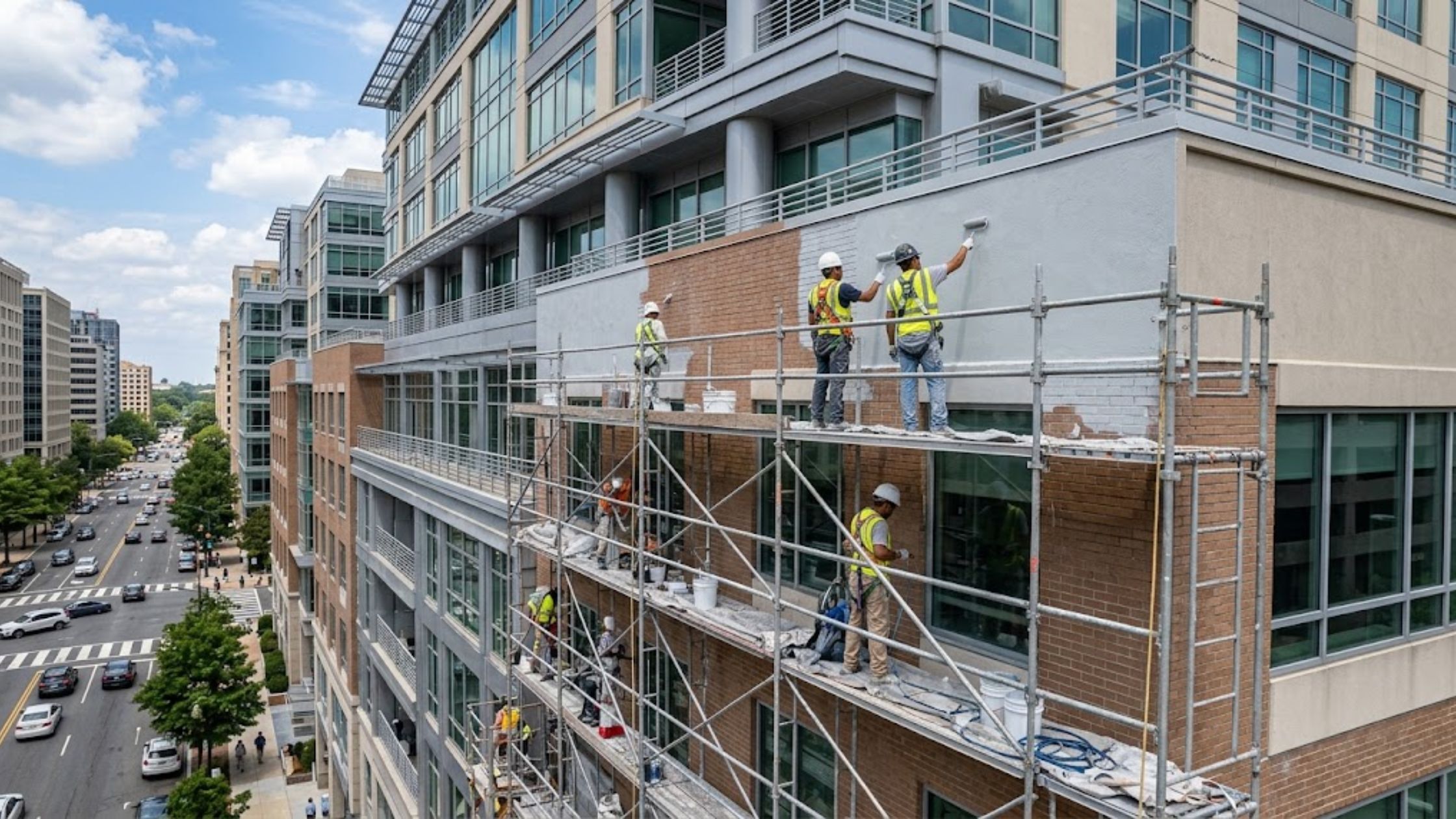 Every commercial facility presents distinct structural traits that heavily influence total project estimates. A single variable such as elevated ceilings or deteriorated masonry can shift labor allocations significantly. Analyzing these foundational elements ensures accurate financial forecasting.
Total Square Footage and Surface Area Realities
Estimating professional painting projects requires calculating paintable surface area rather than simple floor dimensions. High ceilings, wide corridors, interior dividing partitions, and complex exterior architecture expand total paintable square footage substantially. A fifty thousand square foot facility often contains over one hundred twenty thousand square feet of actual paintable wall and ceiling space.
Larger square footage projects frequently benefit from economies of scale because setup and equipment overhead are distributed across a broader scope. Standard eight to ten foot ceilings incur standard labor rates, whereas twenty to forty foot warehouse clearances require specialized lift equipment. Managing these spatial differences ensures that project timelines remain on track without unexpected delays.
Interior Versus Exterior Project Scope
Interior painting and exterior building protection demand entirely different labor approaches, safety gear, and material formulations. Interior spaces focus on durability, low odor formulations, and aesthetic finish quality. Exterior surfaces require weather resistant coatings, masonry sealers, and rigorous substrate cleaning protocols.
Property owners planning comprehensive facility updates can explore Wilder Painting to discover how professional contractors conduct detailed site evaluations and custom project scoping. Exterior applications face direct exposure to rain, wind, and ultraviolet radiation, necessitating specialized elastomeric products. Balancing both scopes requires careful coordination between facility management teams and skilled painting technicians.
Surface Condition and Rigorous Preparation Requirements
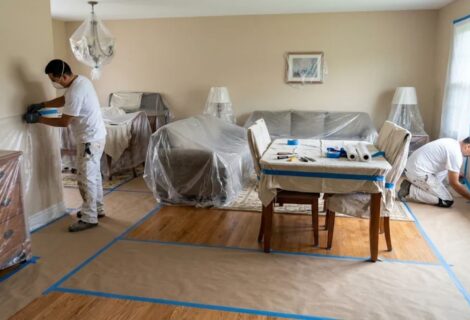
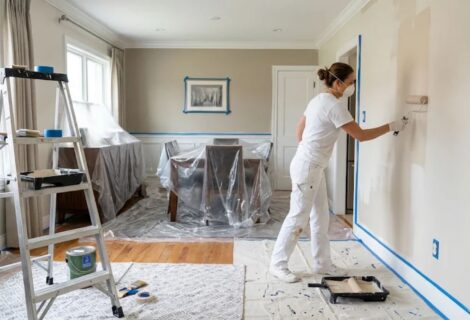
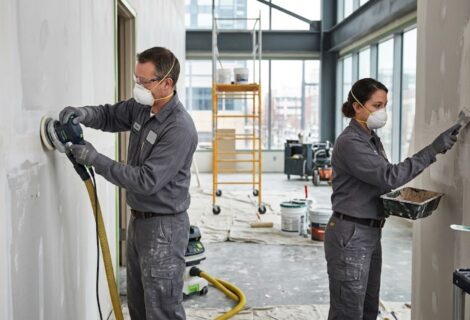
Proper surface preparation accounts for a significant portion of labor hours in professional projects. Applying high performance coatings over damaged or contaminated substrates leads to premature peeling, blistering, and financial waste. Technicians must perform thorough power washing to remove accumulated dirt, atmospheric pollutants, and mildew from exterior walls.
Additional preparation steps involve patching drywall cracks, repairing deteriorated stucco, replacing roamed wood trim, and sealing expansion joints. Stripping loose paint layers establishes a solid bonding foundation for new primers and topcoats. Skipping these vital preparatory measures compromises the lifespan of the entire painting investment.
Detailed Cost Breakdown by Commercial Property Type
Commercial structures vary dramatically in architectural layout, operational demands, and regulatory requirements. Corporate offices prioritize sleek visual branding, whereas industrial warehouses demand heavy duty floor coatings and high durability wall protections.
Office Towers and Corporate Buildings
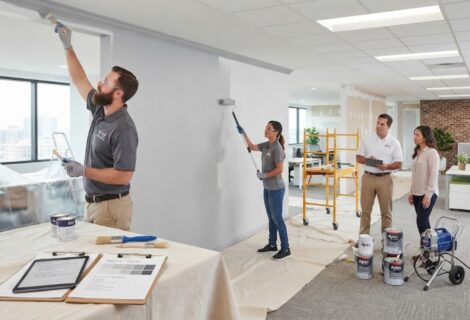
Corporate office spaces prioritize visual appeal, brand alignment, and minimal disruption to daily business operations. Interior office painting generally costs between $1.75 and $3.50 per square foot depending on partition layouts. Highly visible zones like executive suites and main lobbies require premium eggshell or satin finishes that withstand frequent cleaning.
Exterior corporate building projects typically range from $3.00 to $6.00 per square foot based on window configurations and building height. Work in corporate settings frequently takes place during off hours, weekends, or overnight shifts to ensure uninterrupted productivity for tenants. Professional crews coordinate closely with building managers to maintain a clean and safe working environment.
Warehouses and Industrial Facilities
Industrial facilities present expansive open spaces, high ceilings, and exposed structural steel that require specialized coating solutions. Warehouse interior walls and ceilings generally cost between $1.25 and $2.75 per square foot. High performance epoxy floor coatings range from $3.00 to $7.00 per square foot for multi coat industrial systems designed for heavy forklift traffic.
Structural steel and roof trusses cost between $2.50 and $5.50 per square foot, incorporating anti corrosive primers and protective topcoats. Industrial applications focus on long term durability, moisture resistance, chemical exposure tolerance, and employee safety markings. These robust measures protect facility assets from harsh operational environments for many years.
Retail Stores and Shopping Centers
Retail environments depend heavily on clean visual branding, vibrant color palettes, and attractive exteriors to drive foot traffic. Interior retail painting ranges from $2.00 to $5.00 per square foot, while exterior shopping center facades range from $2.50 to $6.00 per square foot. Retail projects often involve custom accent walls and rapid turnaround timelines prior to grand openings.
Facility managers seeking insight into expert craftsmanship can review our experienced workforce page to understand how trained professionals maintain strict safety compliance across complex commercial settings. Coordinating tightly with store owners prevents retail downtime and ensures that commercial spaces open on schedule. Every detail contributes to a welcoming atmosphere for shoppers and clients.
Healthcare and Educational Facilities
Hospitals, clinics, schools, and university campuses require specialized coatings that strictly adhere to health, safety, and environmental regulations. These projects cost between $2.50 and $5.50 per square foot due to stringent requirements for zero volatile organic compounds and antimicrobial paints. Work must be carefully phased to maintain sterile environments and preserve air quality.
Painting crews use low odor formulations to prevent patient discomfort and student distraction during active school terms. Protective containment barriers isolate work zones from sensitive public areas. These rigorous protocols ensure institutional facilities remain safe, clean, and fully operational throughout the project duration.
Key Factors That Create Price Variations in Commercial Painting Estimates
Understanding why two painting estimates for the same building can differ substantially requires examining hidden operational and material factors. Contractors evaluate multiple variables before establishing final project proposals.
Quality of Paint and Specialty High Performance Coatings
The chemical formulation of commercial coatings directly influences material expenses and long term performance lifetime. Standard commercial acrylic latex suits low traffic office walls, whereas high durability acrylics serve busy corridors and schools. Elastomeric exterior coatings provide waterproof protection and bridge minor masonry cracks effectively.
Two part epoxy and polyurethane coatings are essential for heavy duty industrial floors and chemical exposure areas. Intumescent fire retardant coatings are applied to structural steel to meet strict building safety and fire rating codes. Higher grade coatings increase initial material budgets slightly, but they extend repainting cycles significantly and deliver strong long term value.
Access Equipment, Scaffolding, and Site Safety Rigging
Reaching elevated surfaces on multi story buildings requires specialized machinery, certified operators, and safety infrastructure. Renting large boom lifts and scissor lifts adds substantial weekly expenses to overall project budgets. Suspended swing stages and cable scaffolding are essential for multi story exterior high rises and complex architectural facades.
High density urban projects require containment netting, sidewalk sheds, and safety barricades to protect pedestrians and passing traffic. Safety compliance ensures that workers and the public remain protected from accidental falling debris or equipment hazards. Professional contractors factor these logistical requirements into transparent initial project bids.
Labor Costs, Regional Rates, and Off Hour Scheduling
Labor accounts for a large percentage of total commercial painting expenses across all market sectors. Labor rates fluctuate based on geographic location, prevailing wage requirements, and project scheduling constraints. Standard commercial painter rates vary depending on regional economic conditions and workforce demand.
When work must be performed during night shifts, weekends, or holiday shutdown periods to avoid disrupting business operations, labor rates typically include shift premiums. Experienced project managers plan shift rotations carefully to optimize labor efficiency and minimize overall project expenditure. Clear scheduling communication prevents misunderstandings between property owners and painting crews.
Comprehensive Commercial Painting Cost Reference Guide
The following table outlines regional, functional, and material pricing benchmarks to help facility managers construct initial commercial budget estimates.
|
Commercial Space & Scope |
Est. Square Footage | Interior Cost Range | Exterior Cost Range | Total Project Estimate Range |
|
Small Commercial Office |
5,000 sq. ft. | $7,500 – $17,500 | $10,000 – $25,000 | $10,000 – $35,000 |
|
Medium Strip Mall Unit |
12,000 sq. ft. | $18,000 – $42,000 | $24,000 – $60,000 |
$25,000 – $80,000 |
|
Mid-Rise Office Facility |
35,000 sq. ft. | $52,500 – $122,500 | $70,000 – $175,000 |
$80,000 – $250,000 |
|
Large Industrial Warehouse |
75,000 sq. ft. | $93,750 – $206,250 | $150,000 – $375,000 |
$150,000 – $450,000 |
|
Corporate High-Rise Complex |
150,000 sq. ft. | $225,000 – $525,000 | $375,000 – $900,000 |
$350,000 – $1,200,000+ |
Property decision makers can explore our completed project showcase to examine real world transformations and gain visual inspiration for upcoming facility renovations. Reviewing past portfolio projects helps clients visualize potential aesthetic upgrades and structural improvements.
Hidden Costs to Watch For in Commercial Painting Estimates
Comparing commercial painting estimates requires carefully reviewing proposal details to ensure complete transparency. An unusually low bid may omit critical steps that reappear later as costly change orders during active construction.
Incomplete Surface Repairs and Substrate Testing
A low initial estimate may assume walls and facades are in pristine condition without conducting prior inspections. If an estimate omits power washing, drywall patching, caulking, or rust treatment, those essential steps will be billed separately once work begins. Professional contractors perform moisture testing and adhesion checks before issuing binding written contracts.
Thorough substrate evaluations prevent unexpected coating failures that could damage the underlying building materials. Identifying hidden moisture pockets or structural cracks early saves property owners significant time and repair expense down the road. Comprehensive preparation is the foundation of any successful commercial coating project.
Environmental Regulations and Material Containment
Commercial projects must comply with strict environmental and safety regulations enforced by federal, state, and local building authorities. Structures built before nineteen seventy eight require certified lead containment practices, which increase preparation protocols significantly. Regional environmental rules may also mandate specific paint formulations to maintain air quality standards.
Exterior spray applications require wind monitoring, protective netting, and vehicle masking to prevent paint overspray damage in nearby parking lots. Professional painters manage these environmental responsibilities expertly to protect surrounding properties and avoid regulatory penalties. Compliance ensures smooth project progression from start to finish.
Permit Fees, Parking Approvals, and Traffic Control
In dense urban environments, securing street closure permits, parking meter reserves, and traffic detail personnel can add unexpected expenses to project totals. Local municipal requirements dictate whether specialized street permits are necessary for boom lift placement.
Property executives can connect directly through our direct inquiry portal to schedule a comprehensive site walkthrough and discuss permit logistics with our specialists. Confirming whether your painting contractor includes permit acquisition within their turnkey project scope prevents surprise administrative costs. Proper municipal coordination keeps commercial renovation projects legally compliant and running smoothly.
How to Get an Accurate Commercial Painting Estimate
Securing a precise, reliable estimate for a large building requires systematic planning and active communication between facility leadership and qualified contractors. Following a structured estimation process ensures financial clarity.
Step 1: Define a Clear Scope of Work
Before reaching out to painting contractors, facility managers should define their project expectations clearly and concisely. Identify exact interior spaces, exterior walls, trim components, and flooring surfaces that require professional attention. Determine acceptable working hours, whether standard business hours or overnight shifts suit tenant operations best.
Specify desired brand colors, finish levels, and performance coating preferences to help estimators calculate precise material needs. Outlining project completion timelines and deadline constraints ensures contractors allocate sufficient workforce resources. Clear scoping eliminates ambiguity and streamlines proposal evaluations.
Step 2: Schedule Comprehensive On-Site Audits
Avoid contractors who offer fixed bids over the phone without visiting your commercial facility in person. A professional estimator must inspect wall conditions, measure exact architectural heights, evaluate lift access routes, and identify potential site hazards. On site walkthroughs allow contractors to discover hidden substrate damage that impacts overall pricing.
Thorough facility audits ensure that final written proposals reflect the true scope of work required for long lasting results. Meeting contractors on site also builds strong professional relationships and opens clear communication channels. Facility executives gain greater confidence when bids are based on physical site inspections.
Step 3: Compare Itemized Proposals Line by Line
When evaluating multiple contractor bids, confirm that every estimate includes comprehensive surface preparation procedures and clear labor commitments. Verify the exact paint brand, product line, color codes, and coat count specified for each surface area. Review lift equipment rental costs, scaffolding charges, and delivery fees to ensure zero hidden expenses.
Property owners looking for turnkey solutions can visit our commercial painting solutions partner page to explore expert services designed for large scale facilities. Checking warranty coverage details for both labor craftsmanship and material longevity protects your long term capital investment. Detailed proposal comparisons empower facility managers to choose the best partner for their property.
Value Versus Price: Why the Lowest Bid Isn’t Always the Best Choice
In commercial contracting, choosing the lowest bidder often leads to premature paint failure, extended project delays, poor workmanship, and unexpected change order fees. A reputable commercial painter brings commercial liability insurance, workers compensation coverage, safety compliance certifications, and skilled tradespeople who complete projects safely.
Investing in skilled craftsmanship and premium industrial coatings ultimately lowers your property’s long term total cost of ownership by extending maintenance intervals. High quality paint protects underlying building materials from moisture intrusion, rust, and ultraviolet degradation. Selecting experienced professionals ensures that your capital improvement investment yields lasting aesthetic appeal and elevated property value for years to come.
Frequently Asked Questions
How long does it take to paint a large commercial building?
The duration depends on total square footage, crew size, weather conditions, and surface complexity. A standard medium sized commercial building typically takes two to four weeks to complete, whereas multi story high rise facilities or industrial campuses may require several months of phased application.
Can commercial painting be done during regular business hours?
Yes, commercial painting can be scheduled during regular business hours using low odor, zero volatile organic compounds paints and strategic section containment. However, many businesses prefer off hours or overnight scheduling to prevent workplace disruption and operational downtime.
How often should a commercial building be repainted?
Most commercial building exteriors require repainting every five to ten years depending on climate exposure, building material, and paint quality. Commercial interiors typically require repainting every three to seven years depending on foot traffic, wear and tear, and brand updates.
What is the difference between residential and commercial painting?
Commercial painting involves larger square footage, industrial grade equipment like swing stages and boom lifts, high performance specialty coatings, rigorous safety compliance, and complex scheduling around ongoing business operations.
How do I prepare my commercial building before the painting crew arrives?
To prepare your commercial facility, clear perimeter access along interior and exterior walls, notify tenants of the work schedule, secure designated parking areas for equipment lifts, and designate an internal point of contact to coordinate daily site logistics.
Conclusion
Calculating the financial investment required to hire a top tier commercial painting company for a large building involves evaluating total surface square footage, substrate conditions, material performance, and labor scheduling. While standard commercial projects range in cost per square foot, partnering with experienced and licensed professionals guarantees high quality surface preparation and durable coating applications. Investing in premium commercial painting services ultimately protects your real estate asset, enhances brand professionalism, and maximizes overall property value for the long term. Trust the dedicated professionals at Wilder Painting to deliver exceptional craftsmanship, transparent pricing, and dependable service tailored to your facility’s unique commercial needs.