

How Much Do Commercial Painting Contractors Charge in Massachusetts?
When facility managers and business owners across the Commonwealth begin planning a fresh coat of paint for their properties, one major question immediately comes to mind: what is the true financial investment required? Navigating commercial painting pricing can often feel overwhelming, especially when balancing tight operational schedules, building types, and varying structural conditions throughout the Bay State. Whether you are managing a sleek office space in downtown Boston, a retail storefront in Worcester, or a sprawling industrial warehouse in Springfield, understanding the core cost factors helps you budget accurately. As you prepare your facility for its next transformation, partnering with experienced professionals like Wilder Painting ensures your project is handled with precision and care from start to finish.
What is the average cost for MA commercial painting contractors?
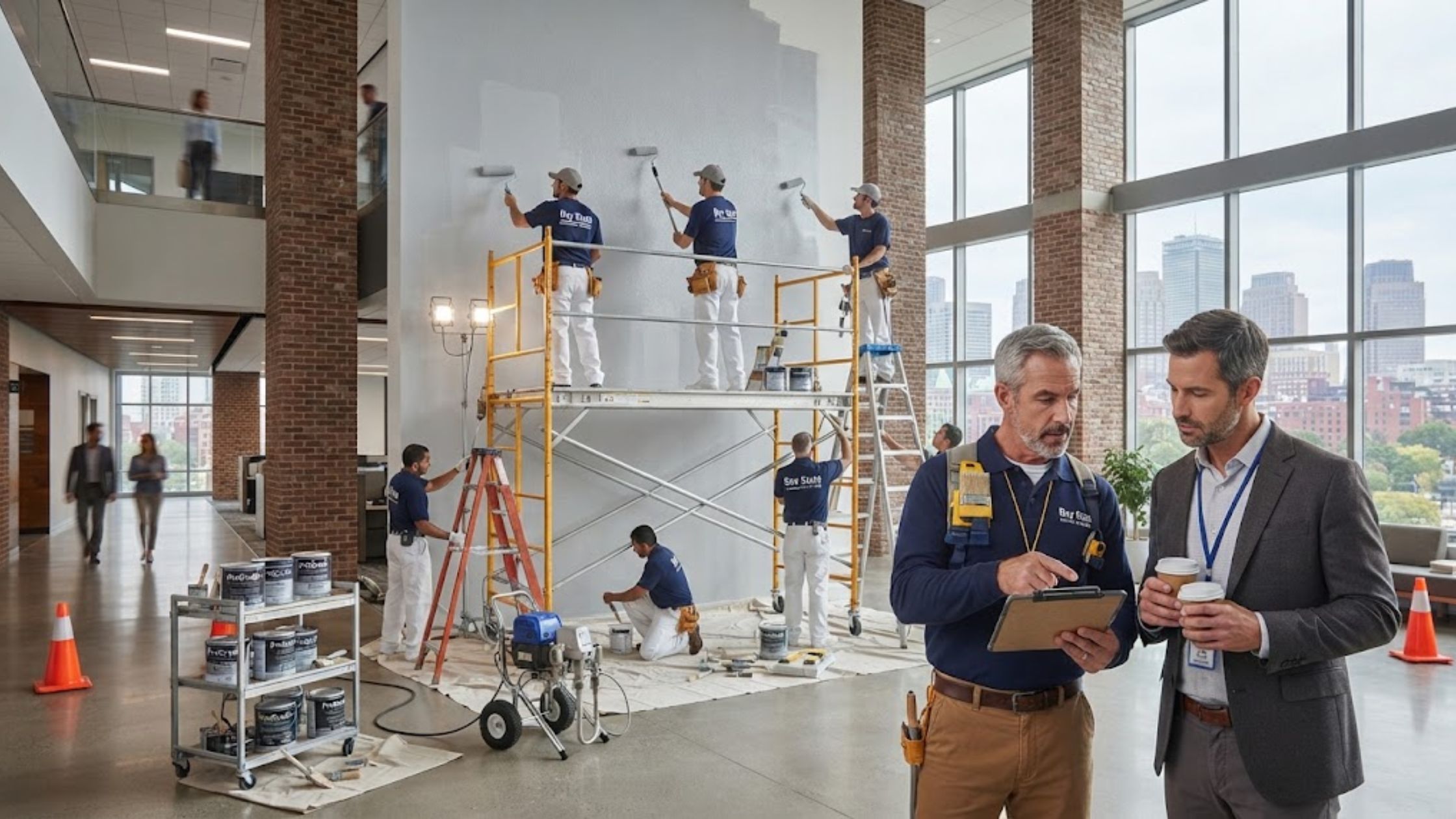 When researching MA commercial painting contractors, property owners often discover that pricing rarely comes with a simple flat rate. Most painting professionals calculate costs based on square footage, typically ranging from two to six dollars per square foot for standard interior projects, while exterior jobs vary significantly based on height and substrate condition. Larger facilities often benefit from scaled pricing models, whereas smaller, highly detailed spaces demand more labor per square foot due to complex trim work and masking requirements. Labor rates in Massachusetts generally reflect local economic conditions, averaging between fifty and one hundred dollars per hour per painter depending on licensing, insurance, and specialized equipment needs.
Material quality also plays a crucial role in shaping the overall commercial painting estimates you receive from local contractors. Premium elastomeric coatings, zero-VOC paints, and specialized industrial epoxies cost more upfront than standard acrylic latex paints, but they deliver superior durability in high-traffic environments. Furthermore, surface preparation requirements heavily influence your final invoice. If walls require extensive drywall repair, power washing, scraping, or lead paint mitigation, the labor hours increase accordingly. By reviewing our detailed commercial painting services, you can explore how tailored surface prep and coating applications align with your specific commercial property goals.
Understanding the Key Cost Factors of Commercial Painting
Evaluating commercial painter pricing requires looking closely at the unique elements that define your specific property and project scope. Every building presents its own set of architectural challenges that influence both time and material consumption. Understanding these variables empowers property managers to anticipate expenses and avoid unexpected budget overruns during active construction phases.
Facility Size and Layout Complexity
The total square footage of your facility serves as the foundational baseline for any project estimate. However, layout complexity dictates how efficiently painters can move through the space. Open-concept warehouses allow for rapid spraying techniques, while segmented office buildings with numerous private rooms, doors, and frames require painstaking brush and roll methods that extend project timelines.
Surface Condition and Preparation Needs
The condition of your existing walls and substrates directly impacts the scope of preparatory work required before painting begins. Peeling paint, water stains, mold remediation, and extensive drywall patching demand specialized labor and drying times. Skipping these critical preparatory steps compromises the longevity of the final finish, making professional surface assessment an essential investment.
Project Timing and Scheduling Constraints
Many businesses cannot afford operational downtime during standard operating hours, necessitating night, weekend, or phased scheduling. Contractors often adjust their pricing to accommodate off-hours labor, as working outside standard schedules involves shift differentials and specialized coordination. Balancing your operational needs with scheduling flexibility helps optimize labor efficiency and overall project costs.
|
Project Type |
Average Cost per Square Foot | Typical Timeline |
Primary Cost Drivers |
|
Interior Office Space |
$2.00 – $4.50 | 3 – 7 Days |
Trim detail, surface prep, furniture moving |
|
Exterior Retail Building |
$1.50 – $4.00 | 4 – 10 Days |
Scaffolding, weather conditions, power washing |
|
Industrial Warehouse |
$1.00 – $3.00 | 1 – 3 Weeks |
High ceilings, epoxy floors, specialized lifts |
Breaking Down Interior Versus Exterior Painting Expenses
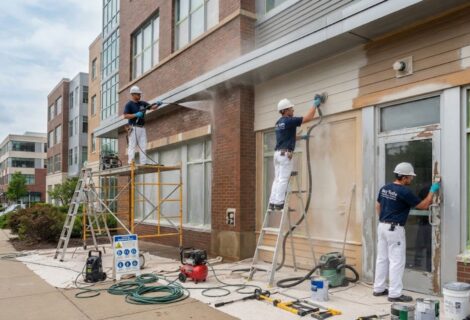
Interior and exterior commercial painting projects involve vastly different operational dynamics, safety requirements, and material formulations. Exterior surfaces face harsh New England weather elements, including freezing winter temperatures, heavy snow accumulation, and humid summer conditions. Consequently, exterior coatings must feature superior weather resistance, UV protection, and elastomeric flexibility to prevent cracking and peeling over time.
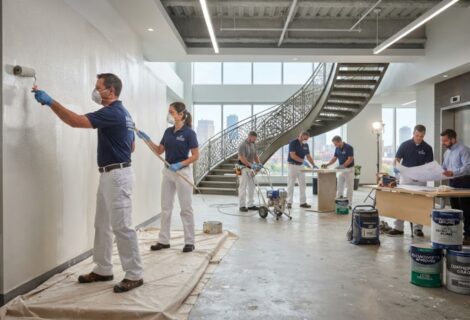
Interior commercial spaces focus heavily on aesthetic appeal, brand alignment, and durability against daily wear and tear. High-traffic corridors, reception areas, and conference rooms require commercial-grade scrubbable paints that withstand frequent cleaning without losing their sheen. Additionally, interior projects often involve working around office furniture, electronics, and active employee workflows, requiring meticulous containment and dust control measures.
Choosing the right team to execute these diverse interior and exterior projects is essential for minimizing business disruption. To learn more about our foundational company values, safety standards, and commitment to client satisfaction, take a moment to explore our dedicated about us team page. Our crew brings decades of collective hands-on experience to every commercial venue across the state.
How to Evaluate and Compare Painting Proposals
Reviewing multiple proposals from different painting companies allows you to benchmark pricing, but the lowest bid does not always represent the best overall value. A comprehensive bid should clearly itemize labor costs, material brands, paint sheen specifications, surface preparation protocols, and estimated project timelines. Vague estimates that lump all expenses into a single line item often lead to hidden change orders and unexpected disputes once work begins.
You should always verify that any contractor you consider maintains active general liability insurance and workers compensation coverage to protect your business from liability risks. Requesting proof of licensing and checking verifiable references from past commercial clients provides peace of mind regarding the contractor reliability and craftsmanship quality. Reviewing past completed projects offers a tangible sense of a contractor’s capability to handle properties similar to yours. You can browse through our diverse visual gallery by checking out our completed portfolio to see examples of our past commercial transformations.
|
Proposal Element |
What to Look For | Why It Matters |
|
Itemized Scope |
Detailed breakdown of rooms, surfaces, and tasks |
Prevents misunderstandings and hidden fees |
|
Material Specification |
Exact brand, paint line, and sheen level |
Ensures durability and expected aesthetic finish |
|
Warranty Coverage |
Specific duration for workmanship and peeling |
Protects your financial investment over time |
|
Insurance Proof |
Active liability and workers compensation certificates |
Safeguards your business against on-site accidents |
Smart Strategies to Optimize Your Painting Budget
Managing facility maintenance budgets requires strategic planning and proactive property management to keep operational costs under control. Implementing preventative maintenance schedules prevents minor paint wear from turning into major structural restoration projects that require costly remediation. Addressing peeling paint or minor water damage early preserves the integrity of the substrate and reduces long-term maintenance expenditures.
Scheduling your painting projects during off-peak seasons, such as late fall or early spring, can also yield favorable pricing and greater scheduling flexibility. Contractors often experience higher demand during the peak summer months, making off-season scheduling a smart financial move for budget-conscious facility directors. Clear communication regarding your expectations, building rules, and color selections further eliminates costly delays during active project execution.
When you are ready to discuss your specific property requirements, obtaining a transparent and accurate project evaluation is the logical next step. You can easily initiate a conversation about your upcoming facility upgrades by visiting our contact us page to connect directly with our expert estimation team. We are always ready to answer your questions and provide detailed insights tailored to your facility.
Frequently Asked Questions About Commercial Painting
How often should a commercial building be repainted in Massachusetts?
Most commercial buildings require interior repainting every three to five years, depending on foot traffic and wear patterns, while exterior surfaces typically need fresh paint every five to ten years depending on weather exposure.
Do commercial painting contractors require buildings to be vacant during work?
Most commercial painting projects do not require full building vacancy because professional contractors use phased scheduling, low-odor zero-VOC paints, and protective containment barriers to maintain safe business operations.
What is included in standard surface preparation for commercial walls?
Standard surface preparation includes washing surfaces, scraping loose paint, patching nail holes, sanding rough patches, caulking gaps, and applying appropriate primers to ensure optimal paint adhesion.
How do contractors calculate paint quantities for large facilities?
Contractors measure the total square footage of walls and ceilings, subtract openings for doors and windows, account for surface porosity, and multiply the remaining area by the manufacturer coverage rate per gallon.
Why do exterior commercial painting prices vary so much across the state?
Exterior pricing varies based on building height, architectural complexity, necessary scaffolding setup, neighborhood accessibility, and the specific amount of scraping and wood repair required before painting.
Conclusion
Investing in professional painting services is one of the most effective ways to protect your property, enhance your brand image, and create a welcoming environment for clients and employees alike. By understanding the core variables influencing MA commercial painting contractors, evaluating detailed proposals, and partnering with experienced professionals, you position your facility for long-term success. As you plan your next commercial upgrade, Wilder Painting remains dedicated to delivering exceptional craftsmanship, efficient timelines, and outstanding customer satisfaction across the Bay State.