How Does a Commercial Painting Company Prepare Surfaces for a Long-Lasting Finish?
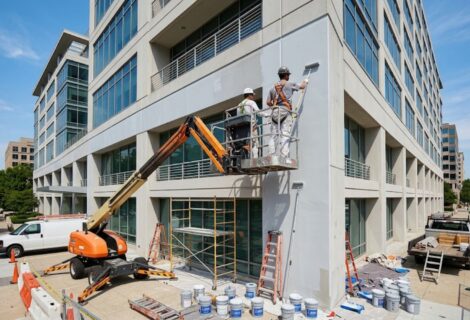
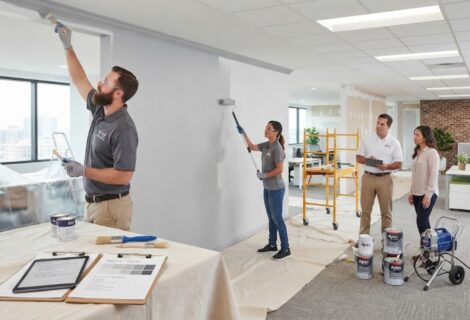
When you step into a freshly coated commercial facility, the flawless sheen and vibrant colors immediately command attention, but the true secret to that enduring beauty lies entirely hidden beneath the topcoat. Every premier commercial painting company knows that the ultimate lifespan of any coating system depends almost entirely on the meticulousness of the initial surface preparation phase. Without a properly cleaned, primed, and stabilized substrate, even the most expensive industrial-grade paint will inevitably blister, peel, or fade prematurely under heavy commercial wear. Facility managers and business owners often wonder why professional prep work requires such extensive time and specialized equipment compared to standard residential projects. The reality is that commercial structures endure extreme environmental stressors, heavy foot traffic, and structural shifts that demand rigorous technical intervention before a single brush touches the wall. Understanding these underlying processes reveals the immense value delivered by seasoned professionals who treat preparation as an engineering discipline rather than a mere chore.
Why is surface preparation critical for a commercial painting company?
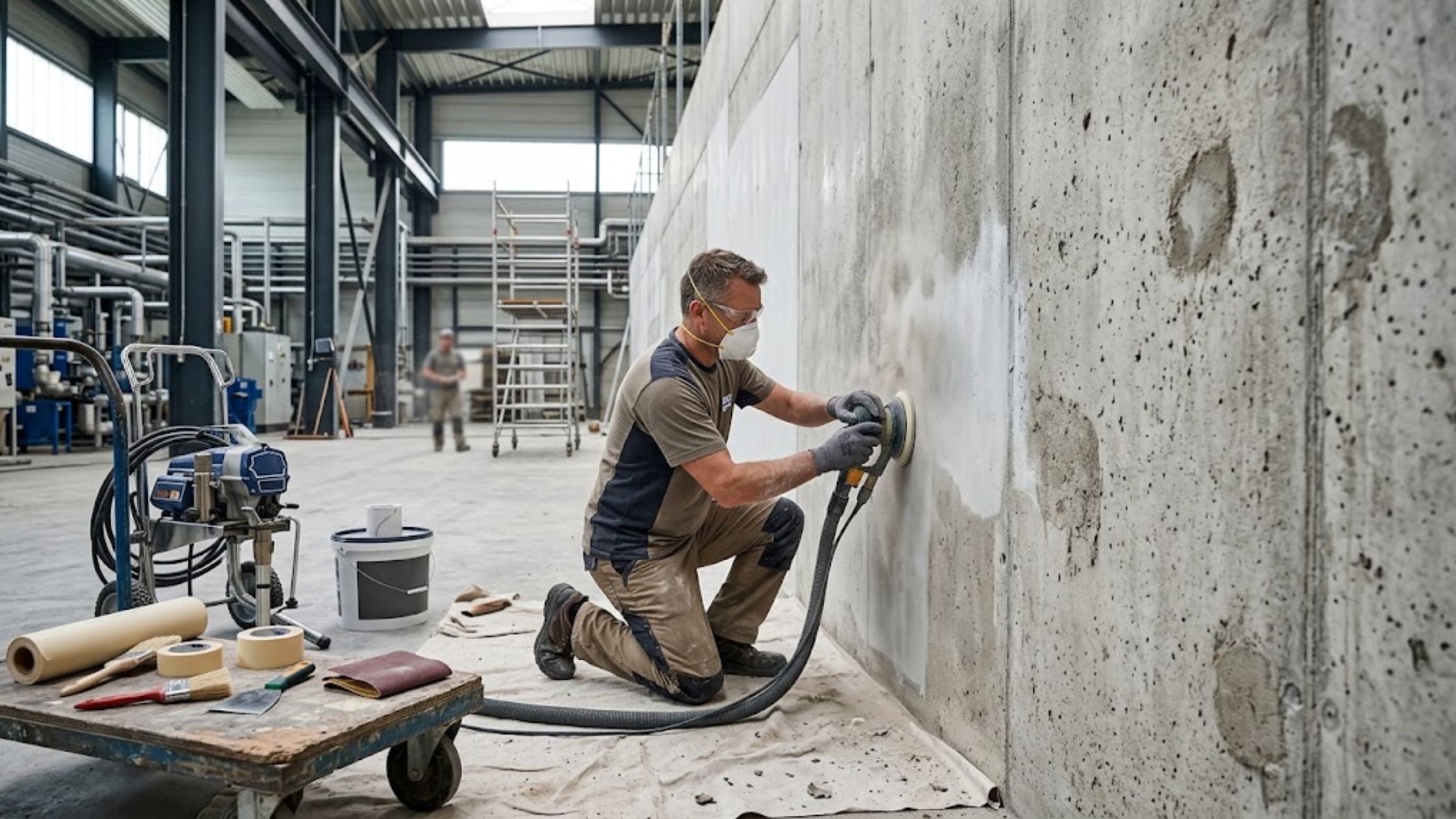
When a commercial painting company undertakes a massive industrial or retail facility, the primary objective is to maximize adhesion and prevent premature coating failure. Substrates like concrete, structural steel, tilt-up panels, and galvanized metal accumulate microscopic dust, grease, efflorescence, and oxidation over years of operation. If these contaminants are trapped beneath new layers of architectural coatings, they compromise the molecular bond between the paint and the substrate. Investing time in thorough washing, scraping, and degreasing ensures that the chosen coating anchors deeply into the material pores. This meticulous dedication prevents costly rework, minimizes long-term maintenance overhead, and protects the capital investment of commercial property owners.
Surface preparation acts as the foundational anchor for everything that follows, shielding buildings from moisture infiltration and harsh UV radiation. When coatings fail prematurely, the culprit is almost never the paint product itself; rather, it is the neglect of the underlying surface conditions. By partnering with experts like Wilder Painting, property managers ensure that every square inch of drywall, brick, or steel receives the precise chemical and mechanical treatment required for decades of durability. A pristine finish begins long before the first gallon of paint is opened, relying on structural assessments and moisture meters to diagnose hidden vulnerabilities. This comprehensive approach guarantees that commercial interiors and exteriors withstand the daily demands of employees, clients, and machinery without showing signs of wear.
The financial implications of skipping proper preparation can devastate facility budgets through recurring peeling, bubbling, and rust breakthrough within months of completion. Commercial spaces require specialized coatings designed to resist chemical spills, constant scrubbing, and drastic temperature fluctuations found in warehouses and manufacturing plants. Proper cleaning and profiling create a mechanical tooth that locks topcoats firmly into place, ensuring maximum longevity across expansive square footage. When evaluating options for your facility, reviewing a detailed commercial painting portfolio provides concrete proof of how meticulous preparation translates into stunning, enduring results across diverse architectural styles.
Assessing Substrate Conditions and Identifying Potential Hazards
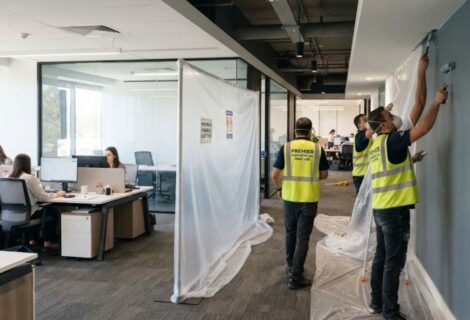
Before any cleaning or scraping begins, a thorough site inspection is mandatory to identify potential hazards such as lead-based paint, asbestos, active moisture leaks, and structural cracking. Commercial buildings constructed decades ago often harbor hazardous materials that require strict containment protocols and OSHA compliance before any abrasive blasting can occur. Technicians use moisture meters to test concrete slabs and masonry walls, ensuring relative humidity levels remain low enough to prevent vapor pressure from blowing off newly applied sealants. Identifying these variables early prevents disastrous adhesion failures and protects the health of both the painting crew and building occupants.
Once hazards are cleared and moisture levels are verified, the crew maps out the specific repair work needed for damaged drywall, spalling concrete, or rusted steel beams. Patching holes, replacing rotted wood, and grinding down protruding welds create a uniform canvas that accepts paint evenly without highlighting surface flaws. Neglecting these minor structural repairs will only amplify imperfections once the high-gloss or semi-gloss finish reflects ambient lighting. Experienced craftspeople understand that preparation is a diagnostic art form that diagnoses structural ailments before applying aesthetic solutions.
|
Substrate Type |
Common Contaminants | Primary Preparation Method |
| Concrete & Masonry | Efflorescence, oil, dust |
Acid etching, pressure washing, shot blasting |
|
Structural Steel |
Rust, mill scale, old paint | Abrasive sandblasting, power tool cleaning |
| Galvanized Metal | White rust, manufacturing oils |
Solvent cleaning, etching primers |
|
Drywall & Plaster |
Joint compound dust, scuffs |
Sanding, dusting, PVA drywall priming |
Addressing these diverse substrates requires specialized tools and profound technical knowledge regarding chemical compatibility between primers and finish coats. For instance, applying an alkyd primer over uncured masonry can lead to saponification, where the alkalinity of the concrete destroys the binder in the paint. By utilizing advanced diagnostic techniques, professional crews eliminate guesswork and tailor their prep regimen to the exact chemistry of the building materials. This meticulous level of care guarantees that your property receives a resilient shield capable of weathering decades of environmental exposure.
Power Washing and Chemical Degreasing Protocols
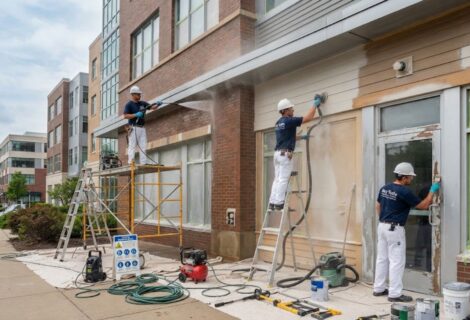
High-pressure washing serves as the heavy-duty workhorse of exterior commercial surface preparation, blasting away decades of accumulated atmospheric pollution, bird droppings, and loose chalky paint. However, turning a pressure washer to maximum power without proper technique can gouge soft wood, shred masonry mortar joints, and force water deep behind siding. Professionals calibrate water pressure and utilize wide-fan spray nozzles to clean effectively without damaging the underlying structural integrity of the facility. For heavily soiled industrial properties, biodegradable commercial detergents and degreasers are applied beforehand to break down stubborn grease, oil stains, and industrial fallout.
|
Cleaning Technique |
Best Suited For | Key Operational Benefit |
| Power Washing | Exterior concrete, brick, metal |
Removes dirt, mold, and chalking residue |
|
Solvent Wipe Downs |
Metal handrails, structural steel | Eliminates residual oils and fabrication lubricants |
| Eco-Friendly Degreasing | Warehouse floors, loading docks |
Breaks down heavy automotive grease safely |
After washing, buildings must undergo adequate drying periods before any primers or coatings are applied, as trapped moisture creates an immediate blister hazard. Industrial fans and dehumidifiers are frequently deployed in enclosed commercial interiors to accelerate evaporation and maintain strict environmental parameters. Integrating these rigorous cleaning protocols ensures that the subsequent layers bond directly to clean, stable material rather than floating on a layer of grime. If you are planning an upcoming facility upgrade, exploring the scope of our commercial painting services will give you a clear roadmap of our comprehensive prep methodology.
Mechanical Sanding, Scraping, and Surface Profiling
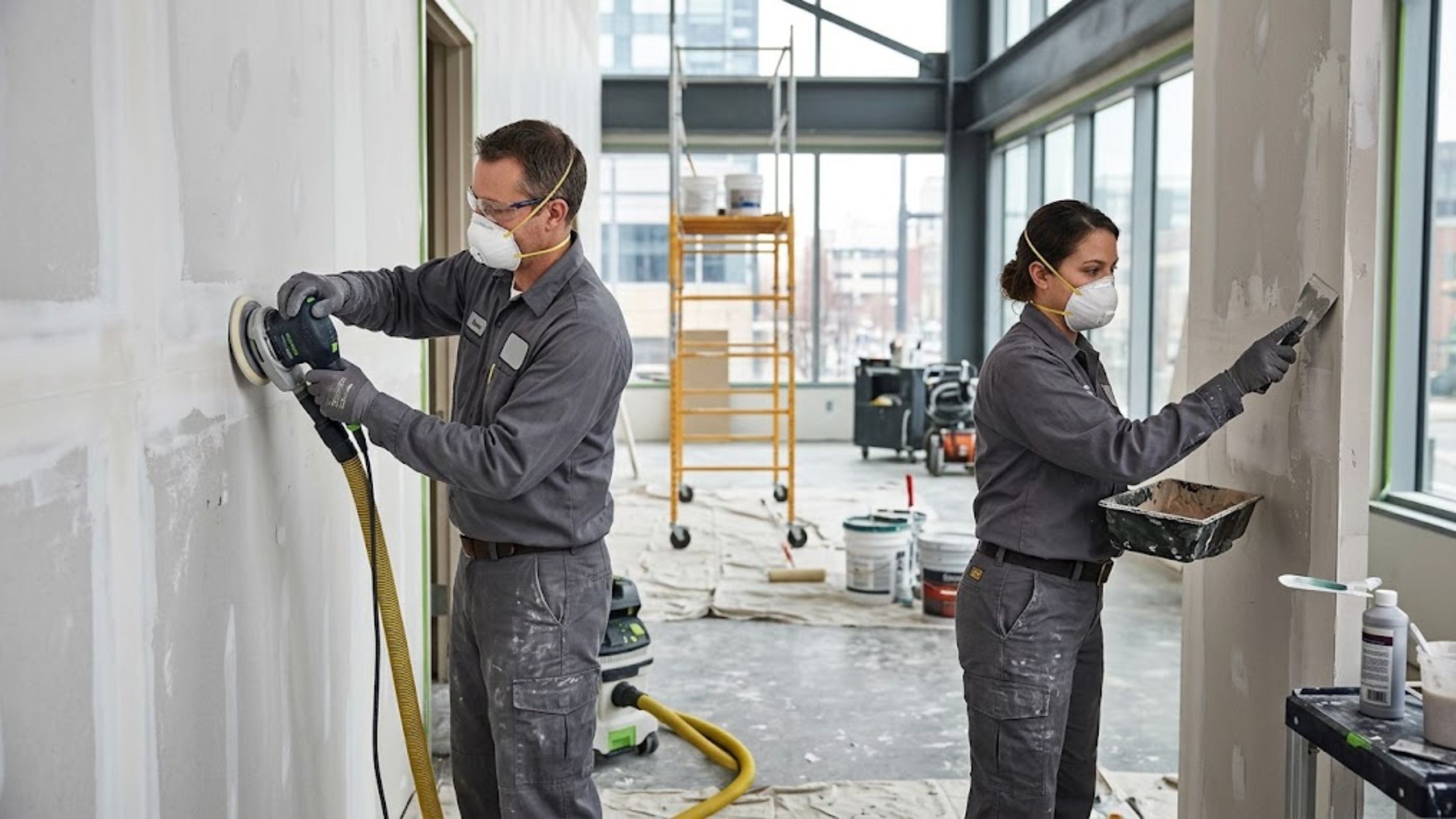
When dealing with flaking paint, rust, or glossy surfaces that reject new coatings, mechanical intervention becomes an absolute necessity for successful adhesion. Hand scraping and power sanding smooth out transition edges between bare substrates and remaining intact paint layers, eliminating unsightly ridges that telegraph through topcoats. On large commercial projects, operators utilize walk-behind floor grinders, needle scalers, and dustless sanding systems to cover vast square footage efficiently while containing airborne silica and lead dust. These mechanical methods physically score smooth or non-porous surfaces, creating a microscopic texture known as a surface profile that acts like Velcro for liquid coatings.
Achieving the correct surface profile is particularly critical when applying high-performance industrial epoxies and urethanes to high-traffic concrete floors in distribution centers and laboratories. If concrete is too smooth, high-build floor coatings will delaminate under the rolling friction of heavy forklifts and pallet jacks within months of application. Conversely, over-profiled surfaces require excessive amounts of primer to fill deep gouges, driving up material costs and extending project timelines unnecessarily. Balancing aggressive profiling with aesthetic refinement requires steady hands and years of field experience that define true industry craftsmanship.
The transition from sanding to dusting is a delicate step where many inexperienced painters cut corners, leaving microscopic particles that ruin coating adhesion. Industrial vacuums equipped with HEPA filtration systems sweep across every square foot of prepped walls, ceilings, and floors to extract lingering dust particles. This obsessive cleanliness ensures that the primer makes direct molecular contact with the substrate, creating an unbreakable bond. To learn more about our company background and our commitment to meticulous craftsmanship, you can read about our expert team and core values behind every successful project.
Priming and Sealing: The Bridge Between Prep and Finish
Once the substrate is thoroughly cleaned, repaired, and profiled, the application of specialized primers acts as the crucial bridge to the final coating system. Primers are engineered with specific chemical properties designed to seal porous drywall, block tannin bleed in wood, and inhibit rust formation on bare metal surfaces. Choosing the wrong primer can nullify all preceding cleaning and sanding efforts, leading to premature peeling or discoloration within a short timeframe. A professional commercial painting company selects high-solids primers that penetrate deep into substrate capillaries to lock down residual chalk and stabilize fragile material.
In environments prone to severe moisture or chemical exposure, specialized bonding primers and rust-inhibitive zinc-rich coatings provide an impenetrable barrier against corrosion. These foundational layers create a chemically compatible interface between difficult substrates—such as galvanized steel or anodized aluminum—and standard acrylic topcoats. Without this intermediate chemical bond, topcoats would slide off slick metal surfaces upon drying due to surface tension. Applying these primers with precision thickness ensures uniform protection and sets the stage for a rich, even, and durable finish.
The drying and curing window following primer application is monitored closely to ensure optimal recoat times specified by manufacturers are strictly observed. Applying finish coats too early traps solvents within the primer film, leading to bubbling, cracking, and long-term film weakness across large facility walls. Experienced project managers maintain strict environmental controls, monitoring ambient temperatures and relative humidity throughout the facility during every phase of application. When you need expert guidance on protecting your commercial property, feel free to contact our painting specialists to discuss tailored solutions for your facility.
Frequently Asked Questions
Why is surface preparation so important for commercial painting projects?
Surface preparation removes dirt, grease, rust, and loose paint that prevent new coatings from adhering properly. Without it, even high-end paint will peel, blister, or fail prematurely, leading to costly maintenance and repairs.
How does Wilder Painting ensure proper adhesion on concrete surfaces?
Wilder Painting utilizes power washing, chemical degreasers, and mechanical grinding to clean concrete and create a proper surface profile that locks topcoats firmly into place.
Can painting be done over rusted metal without removing the rust?
No, rust must be thoroughly removed via abrasive blasting or power tool cleaning, followed by a rust-inhibitive primer, to stop ongoing corrosion and ensure the new paint adheres.
How long does the surface preparation phase typically take?
The duration depends on the facility size, substrate condition, and required repairs, but prep work frequently consumes the majority of the total project timeline to guarantee lasting quality.
What happens if moisture is trapped beneath the new commercial paint?
Trapped moisture creates vapor pressure as temperatures rise, causing the paint film to bubble, blister, and delaminate shortly after application.
Conclusion
Mastering the art of surface preparation requires an uncompromising commitment to detail, specialized equipment, and deep technical knowledge of diverse commercial substrates. Every phase from initial diagnostic inspections and power washing to mechanical profiling and priming lays the groundwork for a stunning, resilient finish. When you trust an established professional team like Wilder Painting, you are investing in structural longevity, aesthetic excellence, and long-term asset protection. Reach out to our dedicated professionals today to discover how meticulous preparation transforms your commercial facility into a brilliantly finished masterpiece.